
Which Plants in My Victoria Garden Are Toxic to My Dog?
By Anna Hakim & Perry Fanthorpe, Happy Homes Team at eXp Realty
Toxic Garden Plants for Dogs in Victoria, BC:
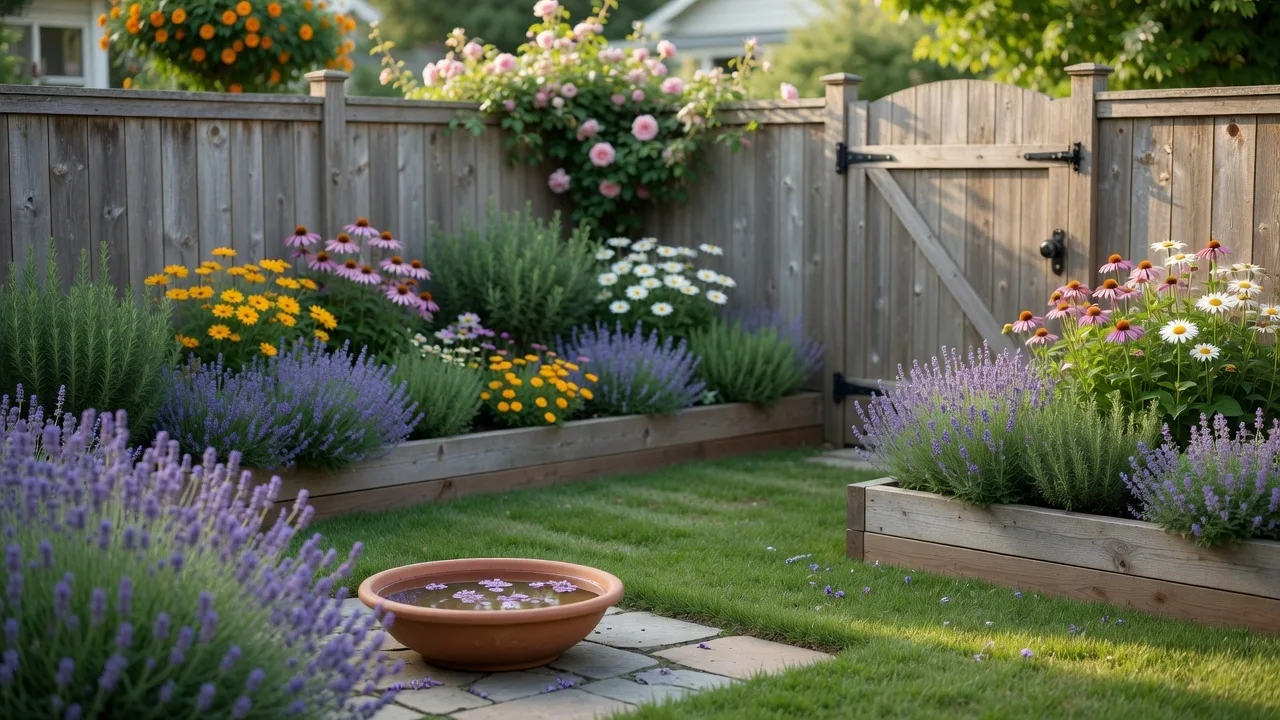
If you have a dog and a garden in Victoria, you are sharing space with plants that can make your dog seriously sick. Foxglove grows wild on roadsides here. Rhododendrons are in half the gardens in Oak Bay. And the tulip bulbs you plant in October are a real danger if your dog digs them up. This is not about being alarmist. It is about knowing what is in your yard and making a few smart changes. After living with Ziggy and Sahara in a house with a fenced yard, I have learned which plants to pull and which to keep.
Which plants in Victoria gardens are most dangerous to dogs?
Foxglove (Digitalis purpurea) is the one I worry about most. It is everywhere in Greater Victoria, both in gardens and naturalized along roadsides and in parks. Every part of the plant is toxic. It contains cardiac glycosides that affect the heart, and ingestion can be fatal. If you have foxglove in your garden, remove it. If your dog eats any part of it on a walk, get to the vet immediately.
Rhododendron and azalea are the next biggest risk. They are everywhere in Victoria. Older neighbourhoods like Fairfield, Oak Bay, and James Bay have them in nearly every garden. All parts of the plant contain grayanotoxins, which cause vomiting, drooling, weakness, and in severe cases, cardiovascular collapse. The BC SPCA lists rhododendron as one of the top toxic plants for pets in the province.
Hydrangea is one of the most common causes of plant toxicity in dogs. The buds and leaves contain cyanogenic glycosides, which can release cyanide when chewed. Symptoms usually start with vomiting and diarrhea, but severe cases can cause breathing difficulty. Hydrangea is in almost every Victoria garden centre and in bloom all summer.
What about bulbs and spring flowers?
Tulip and daffodil bulbs are highly toxic to dogs, and the bulbs are the most dangerous part. If your dog digs in the garden, those fall-planted bulbs are a real risk. Tulipalin and lycorine are the toxins, and even a small amount can cause drooling, vomiting, and diarrhea. Larger amounts can cause heart problems and breathing difficulty.
Lily of the valley (Convallaria majalis) is another common Victoria garden plant that is dangerous for dogs. It contains cardiac glycosides that can cause heart rate drops, vomiting, and diarrhea. It spreads easily in shady spots, which is exactly where most Victoria gardens have it planted.
Which other common Victoria plants are toxic to dogs?
English ivy (Hedera helix) climbs walls and fences all over Victoria. The leaves and berries contain triterpenoid saponins that cause digestive and respiratory distress. If your dog chews on it, expect drooling, vomiting, and diarrhea.
Yew (Taxus) is planted as hedging in many Victoria gardens. All parts of the plant are highly toxic, and it can cause sudden cardiac arrest in dogs with no warning symptoms. If you have yew in your yard and your dog is a chewer, remove it.
Cyclamen is a common potted plant and garden perennial in Victoria. The root is the most toxic part, and it can cause vomiting, heart arrhythmias, and seizures.
Yellow flag iris grows in wet areas across Vancouver Island and is classified as a provincially noxious weed in BC. It is toxic to dogs if ingested and can cause gastrointestinal issues.
What are safe alternatives I can plant instead?
You do not have to rip out your whole garden. Swap the dangerous plants for dog-safe options that grow well in Victoria's climate. Lavender is safe, smells great, and thrives in Victoria's dry summers. Rosemary is another excellent option that doubles as a cooking herb and grows well in pots or borders.
Marigolds (Tagetes) are safe for dogs and add bright colour to garden beds. Sunflowers are safe and dramatic. Camellias are a good evergreen shrub alternative to rhododendron, and they flower beautifully in Victoria's mild winters. Ferns like sword fern and deer fern are native to Vancouver Island and safe for dogs.
The BC SPCA has a helpful list of dog-safe and toxic plants on their website, and local nurseries like GardenWorks on Burnside Road and Russell Nursery on Wain Road in North Saanich can help you choose dog-friendly plants that work for your specific yard conditions.
What should I do if my dog eats a toxic plant?
Time is everything. If you see your dog eat any part of a plant you suspect is toxic, call your vet immediately. If it is after hours, call the Animal Emergency Clinic of Victoria on West Saanich Road, which operates 24 hours. You can also call the Pet Poison Helpline at (855) 764-7661 (a fee applies).
Do not wait for symptoms to appear. Some toxins take hours to show effects, and by then the damage is further along. Bring a sample of the plant with you to the vet if you can. Knowing exactly what your dog ate is the single most useful piece of information you can give the veterinarian.
For more on emergency vet options in Greater Victoria, read our Emergency Vet Guide.
Why your yard matters when choosing a home for your dog
When we help clients find a home with a dog in mind, the yard is one of the first things we talk about. Not just the size, but what is actually in it. A mature, beautifully landscaped garden in Oak Bay might look perfect, but if it is full of rhododendron, foxglove, and yew, it needs work before it is safe for a dog who likes to explore.
A fenced yard with dog-safe landscaping is one of the best features you can have for daily dog life in Victoria. It means you can open the door and let your dog out without worrying about what they will find. If you are looking for a home with a yard that works for your dog, the Happy Homes Team can help you find it. Let's find the right place for you and your dog.